

If if you're just building a equestrian arena or even remodeling your existing arena, you may possibly be wondering precisely how to choose typically the right horse area footing for different apps. It may appear obvious- arena a foot-hold is good for arenas, best? Arena footing actually has its own applications an individual may not have considered. Not all footing materials fit most possible applications. Ground materials suited for indoor arenas may possibly not work well on paths and vice versa. The particular best footing regarding you depends upon where and exactly how you will get making use of the footing stuff. Follow this advice and tips for selecting the appropriate footing for yourself plus your horse- inside arena and out.
Barns
There are usually several concerns any time choosing the appropriate footing for an indoor space such as a barn. Natural footing materials which might be ideal in the arena are not designed to get barriers against bacteria commonly found in barns. Urine, fecal material and spilt meals can all be breeding grounds regarding bacteria and unwanted organisms. Non-porous options are best for extended use in the barn, while organic options are best in the event the footing will certainly be scraped and composted as gets soiled.
Drainage is usually very important inside the barn. Drainage is often an injury in barns and stables because it may turn many grime and dust based footing into mud and cause wooden footing to get rotten. To keep drinking water from accumulating upon the barn ground, gravel can be quite a wonderful footing choice due to the fact it provides excellent drainage. Unfortunately, stones can be really hard on horses' hooves and get very hard to clean. This doesn't mean a person can't use gravel under another ground material like crumb rubber footing. Some equestrians even undervalue rubber mats on the packed gravel layer in stalls to be able to cushion their horses' hooves. Rubber area footing or exercise mats can also end up being easily cleaned, irregardless of where they are placed.
Couchette
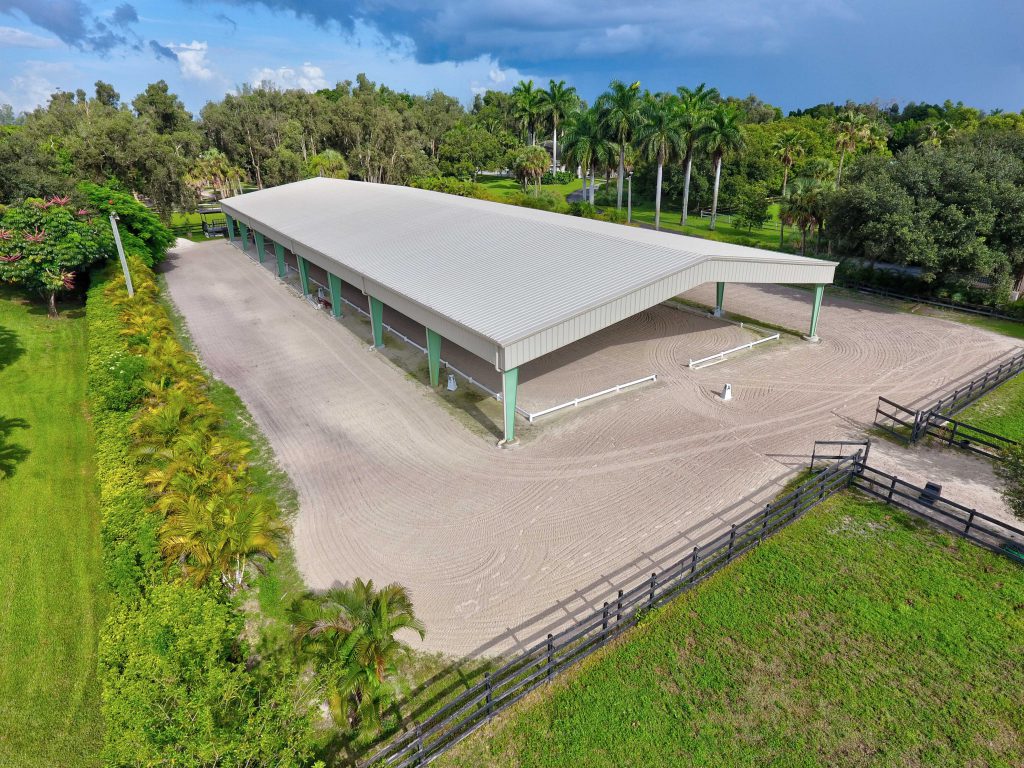
It's a great idea to fence off some regarding your property like a paddock where you can keep harmed horses or give your horses a place to stay when it rains so that they don't turn your pasture into a muddy clutter. The biggest concern with mud is slips and falls- particularly likely if lively horses are confined to the paddock for longer periods of time. Mud also keeps moisture from the horse's hooves, that may direct to hoof ailments like thrush in addition to white line illness. To keep your own paddock safe regarding injured horses in addition to free of soil, it's a very good idea to set down footing substance in your paddock that encourages draining.
Whilst sand might appear like an cost-effective option, sand colic is a true danger in couchette. Horses confined throughout a sand arena or paddock will certainly inevitably ingest yellow sand while looking for grass or feeding on fallen hay. Since a footing material, sand may also stream-lined, enabling injury when frisky horses attempt to gallop all-around their enclosure.
Another option is footing made from real wood such as sawdust or wood potato chips. However, wood a foot-hold decomposes quickly, provides hiding for bacteria and fungus infection, and is very hard to keep in an available area like a paddock. Run-off coming from rain also holds the footing away from with the flow, leaving muddy terrain beneath.
While you might believe of crumb rubber footing because the sort of ground material only applied on race paths and expensive interior arenas, it can easily be an excellent footing material to have an outdoor paddock, especially when mixed with some other common footing alternatives. Crumb rubber a foot-hold gives under the horse's hoof while also draining drinking water away from the particular footing surface. Great site there are several varieties of arena footing available that are built up of several types of footing materials that are pre-combined, or an individual can choose to combine options basically greatest for your condition.
Paths and Walkways
Even if you have great footing in your barn or inside arena, you'll still will need to get your own horses from one particular place to another on your property without getting stuck within mud or injuring your horse due to the fact of improper ground. For high site visitors areas like paths and walkways, you need a ground material that provides cushioning for your horse's hooves and also stay in place without having to turn into mud. Whilst sand might seem like a good option, sand doesn't depletion water well and even it has to be able to be replaced usually as it is definitely washed or blown away. Wood potato chips will scatter all over the place, exposing the earth underneath and adding dust particles to the surroundings. Gravel is the excellent choice for horse footing throughout high traffic locations of your home since it drains well, will stay in place and won't split down easily. Nevertheless , gravel doesn't usually provide the shock absorption that horses require and several horses will be prone to stone bruises. Crumb plastic footing over small, or mixed with gravel, can provide that extra pillow while allowing normal water to drain aside from the way.
Indoor Riding Arenas
If you're designing a great indoor arena intended for your property or even thinking about placing down new footing in your existing indoor riding market, there are several things you must look into about footing materials. Because they happen to be enclosed, dust can certainly be a huge problem in indoor riding arenas, so you want in order to find a ground material that is not going to produce a lot involving dust. Many industry owners spend numerous hours and cash trying to handle the dust problems that arise coming from poor arena ground choices. Footing material made from real wood can be single replacement for sand, although wood footing can easily decompose and is going to need regular changing. Crumb rubber ground can be a great excellent choice intended for an indoor industry because it offers cushioning, won't break down like wood chips and won't manufacture dust like yellow sand.
Regardless of typically the application, arena footing is useful for most areas that horses spend time. Investigating your arena footing options and choosing the right mixture for your own needs prevents high priced replacements and veterinary bils in the future. The initial investment may be steep in several cases, nevertheless the tranquility of mind will be well worth the price.